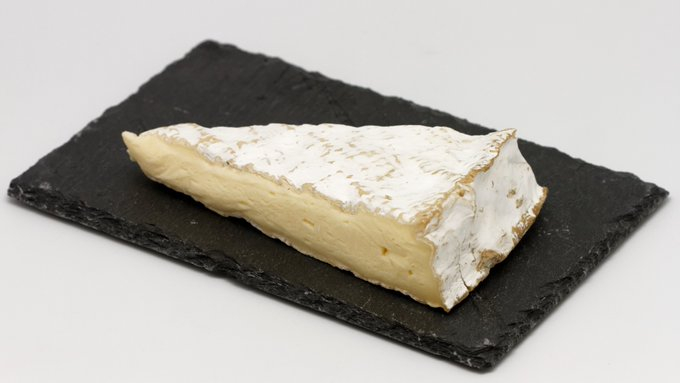
1990 年代:研究人员发现了“法国悖论”。法国人吃黄油、奶油、奶酪、肉酱、肥肉和浓郁的酱汁。根据肥胖假说,他们患心脏病的几率应该非常高。但他们的心脏病发病率很低,比遵循低脂饮食指南的美国人还要低。“悖论”:高饱和脂肪,低心脏病发病率。只有当饱和脂肪导致心脏病时,这才是自相矛盾的。研究人员紧急行动起来:“是红酒!”“份量小一些!”“他们走路更多了!”所有人都试图掩盖自己的错误:肥胖假设是错误的。法国人虽然肥胖,但并非反而很健康。他们身体健康,是因为他们吃真正的食物,包括健康的脂肪,并且避免食用植物油。但承认这一点就意味着承认美国人遵循低脂饮食指南而变得更胖,而法国人吃黄油却保持健康。所以他们称之为“悖论”,并进行了移动on.类似的“悖论”随处可见:瑞士:奶酪多,心脏病低。马赛人:体脂率60-70%,心脏病发病率为零。因纽特人:脂肪含量高达 80%,心血管健康极佳。在世界各地,高脂肪的传统饮食都有益于健康。这些之所以被认为是“悖论”,仅仅是因为肥胖假说被奉为圭臬。法国悖论本应终结肥胖假说。相反,他们用喝酒散步来搪塞过去。法国人什么都爱抹黄油,每天都吃全脂奶酪。比美国人吃所有东西都低脂的饮食更有利于新陈代谢健康。这不是悖论,而是证据。但称之为证据就等于承认40年来的错误。称之为悖论就意味着你可以忽略它。1990s: Researchers discover the "French Paradox."French eat butter, cream, cheese, pâté, fatty meat, rich sauces.They should have sky-high heart disease according to fat hypothesis.But they have LOW heart disease. Lower than Americans following low-fat guidelines.The "paradox": High saturated fat, low heart disease.It's only paradoxical if saturated fat causes heart disease.Researchers scrambled:- "It's the red wine!"- "Smaller portions!"- "They walk more!"All cope for not admitting: The fat hypothesis was wrong.French weren't paradoxically healthy despite fat.They were healthy because they ate real food including healthy fats and avoided seed oils.But acknowledging this meant acknowledging Americans got fatter following low-fat guidelines while French stayed healthy eating butter.So they called it "paradox" and moved on.Similar "paradoxes" everywhere:Swiss: High cheese, low heart disease.Maasai: 60-70% fat, zero heart disease.Inuit: 80% fat, perfect cardiovascular health.Everywhere high-fat traditional diets produced good health.These were "paradoxes" only because fat hypothesis was gospel.The French Paradox should have ended the fat hypothesis.Instead explained away with wine and walking.French eat butter on everything. Full-fat cheese daily.Better metabolic health than Americans eating low-fat everything.Not a paradox. Proof.But calling it proof means admitting 40 years wrong.Calling it paradox means you can ignore it.